Poultry · Machine
Egg collection systems
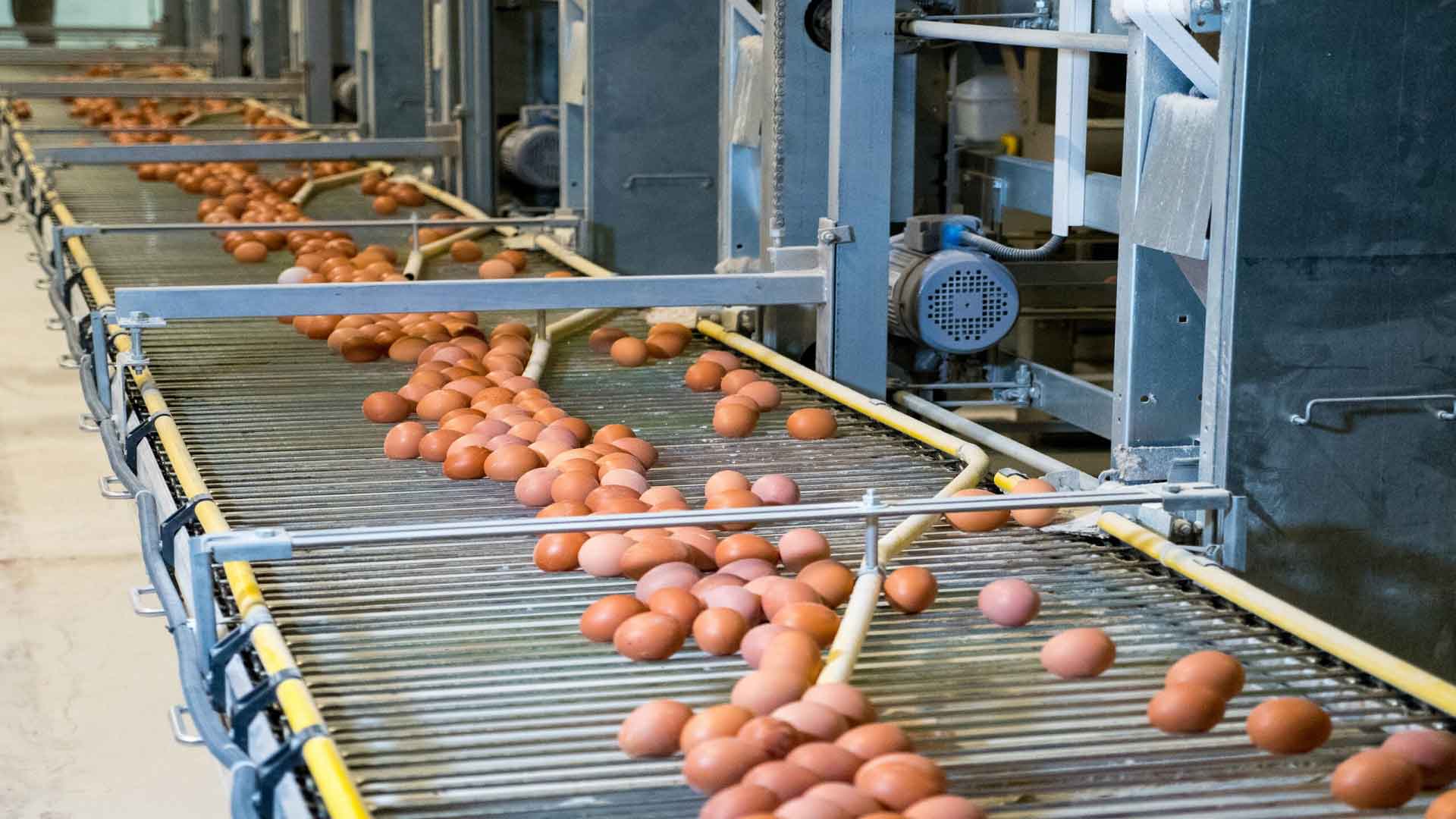
Move eggs from cage rows to a central handling point. Specify your shed layout, transfer height and counting requirements when planning an automated collection system.
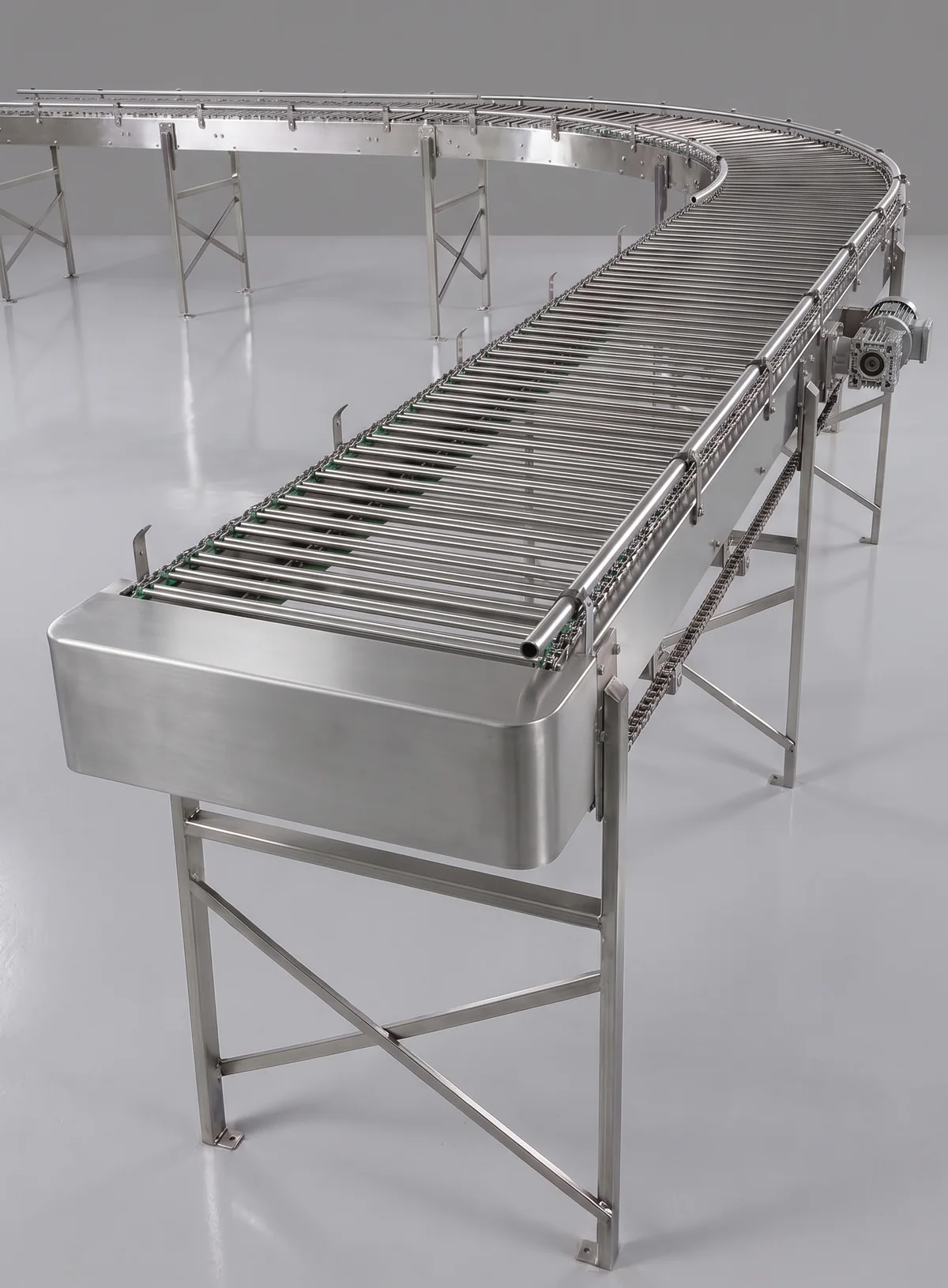
Connect machines, packing areas and storage with a conveyor layout fitted to your site. Explore belt, roller, modular, incline, transfer and wash-down configurations.
Reference information reviewed 21 October 2026. Confirm current ratings, included stages and the final configuration in your quotation.
| Types | Belt, roller, modular, incline, transfer and wash-down |
|---|---|
| Materials | Mild steel or stainless steel |
| Run length | Built to order, up to 100 feet |
| Configuration | Layout, load and drive specified per project |
EPH means eggs per hour; TPH means tonnes per hour. Operating output depends on the selected configuration and input conditions. Prices and lead times are confirmed on enquiry.
Belt, roller, modular, incline, transfer and wash-down. Share your site layout and operating requirements so the configuration can be assessed.
Include product size, load per metre and required speed; route length, inclines, curves and transfer points; material, wash-down needs and available power. Add your quantity, delivery location and any drawings or photographs you can share by email.
Share the infeed and outfeed heights, adjacent equipment, available floor space and utility connections. Integration and any layout changes must be confirmed for your project.
Move eggs from cage rows to a central handling point. Specify your shed layout, transfer height and counting requirements when planning an automated collection system.
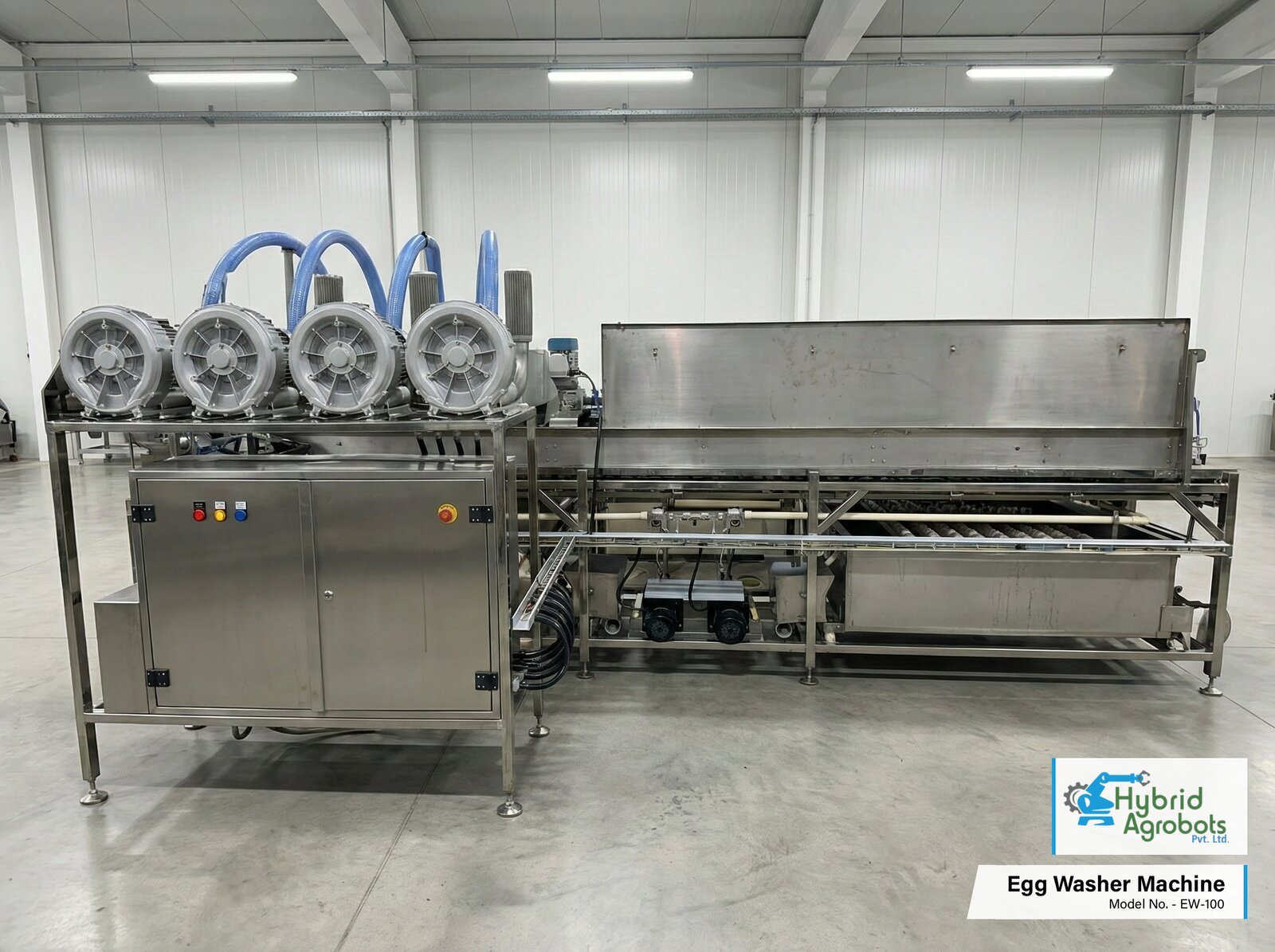
Prepare eggs for inspection and packing with a water-washing and air-drying stage. Choose a lane configuration around your peak output and the available water, drainage and power supply.
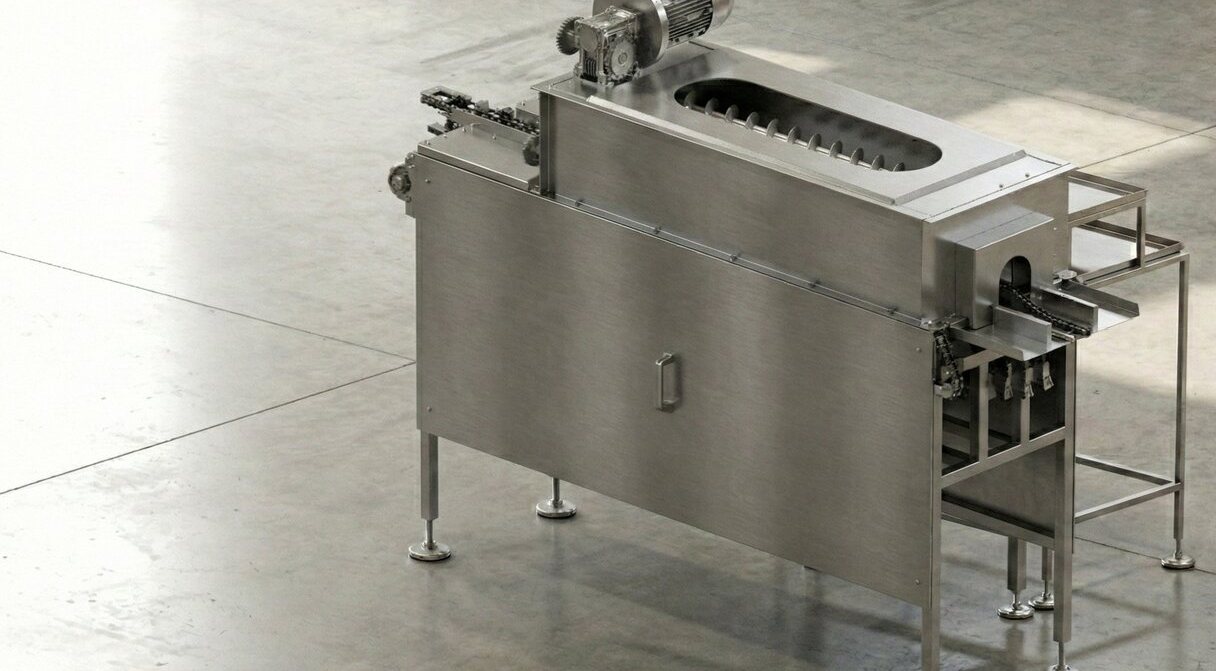
Remove loose shell debris with rotating brushes in a dry process. Explore single-lane or multi-lane configurations when a water-based cleaning stage is not part of your line.